
Which Items Might Be Suitable to Rent Out?
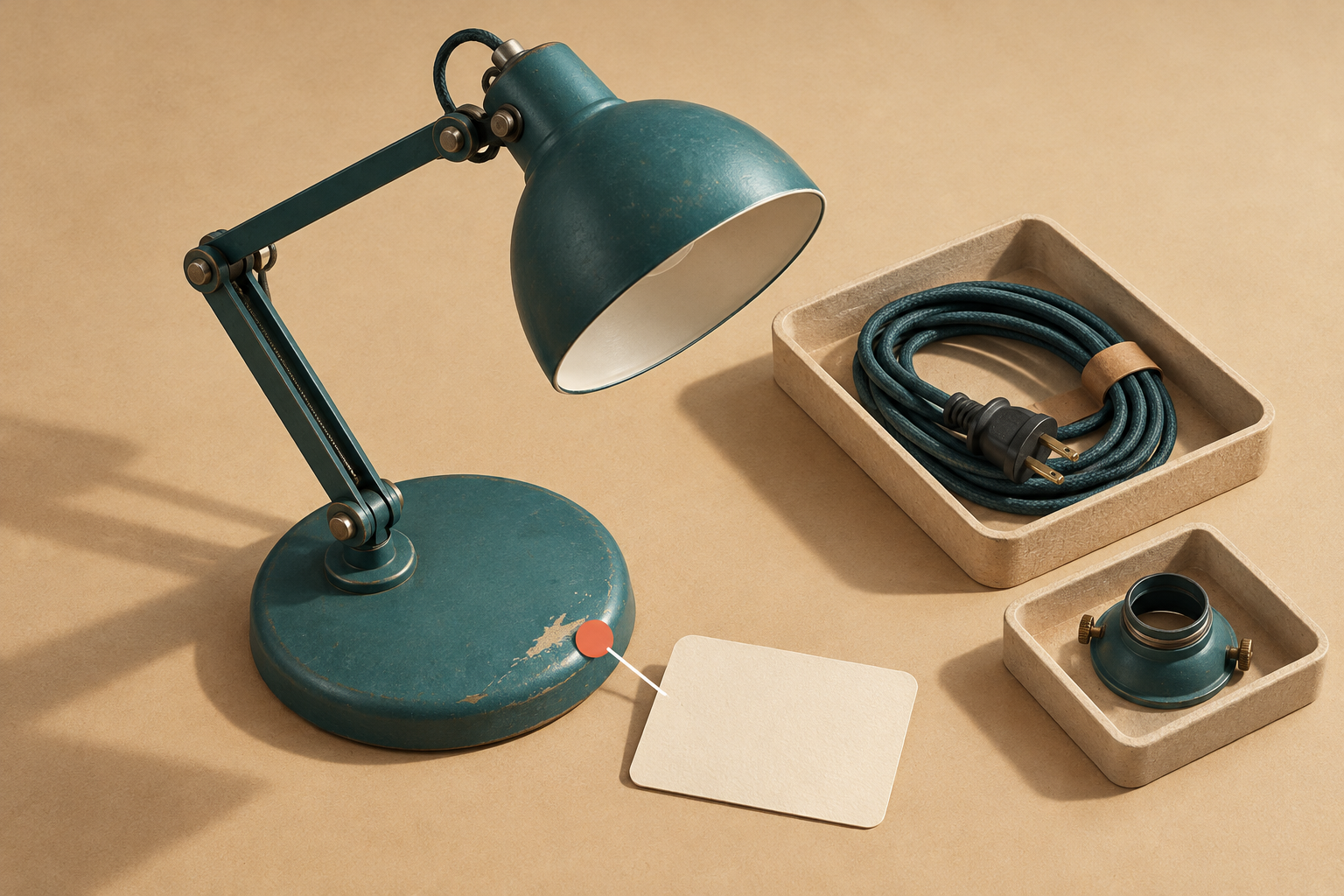
An item that sits unused is not automatically a good rental. Before offering it, consider whether you can describe it accurately, hand it over safely, maintain it, and handle an unexpected return. Start with the practical work, then check whether the proposed arrangement makes sense for you.
Side Hustle Nation discusses renting out belongings as a possible business idea. The examples here are fictional and do not claim a real booking, tested demand, or income.
Begin with the item and the intended user
List items you own or are expressly permitted to offer. For each, ask who might need it temporarily and what they would need to know before agreeing: size, included accessories, compatibility, condition, and collection method. A clear description is more useful than calling an item “perfect” without explaining what that means.
Consider whether the item is easy for both parties to transport and whether normal use requires instructions or specialist training. Some equipment, vehicles, or products used by children can involve additional safety, maintenance, insurance, or legal requirements. Check the actual requirements and your competence before offering them; this article does not determine whether an item is safe or legally suitable.
Compare upkeep with the time between uses
An item may need cleaning, inspection, storage space, replacement parts, or time to prepare between customers. Ask how you would identify a fault, who can repair it, and what you would do if the item is not returned when expected. If you cannot maintain or check an item appropriately, choose another item or pause the idea.
Imagine two unused items: a simple folding display stand with all its parts and a powered tool whose maintenance history is unknown. The stand may be easier to describe and inspect, while the tool requires more information and potentially qualified inspection. This is a comparison of the available facts, not a declaration that either item is safe to rent.
Check ownership, terms and coverage
Before listing, review any ownership restrictions, relevant agreements, platform terms, local requirements, and insurance arrangements. Ask the relevant owner, insurer, platform, or qualified professional when the position is unclear. A platform's listing form does not itself confirm that your item is allowed or covered.
Decide how collection, return, condition checks, cancellations, and questions will be handled. The rental condition guide explains how to record observations at handoff and return without assuming the cause of a later difference.
Work out what you still need to know
Compare any proposed price with the actual costs of storage, cleaning, transport, maintenance, platform fees, and your time. Demand and the number of bookings are uncertain; do not invent an occupancy rate or assume a price seen in one listing applies everywhere.
A sensible first choice is an item you can legally offer, accurately describe, and responsibly maintain. If its condition, rights, coverage, or access arrangements are unclear, resolve those questions before accepting a booking. A checklist cannot guarantee a dispute-free transaction or a profit.