
Prepare a Small Craft Workshop from Sample to Participant Pack
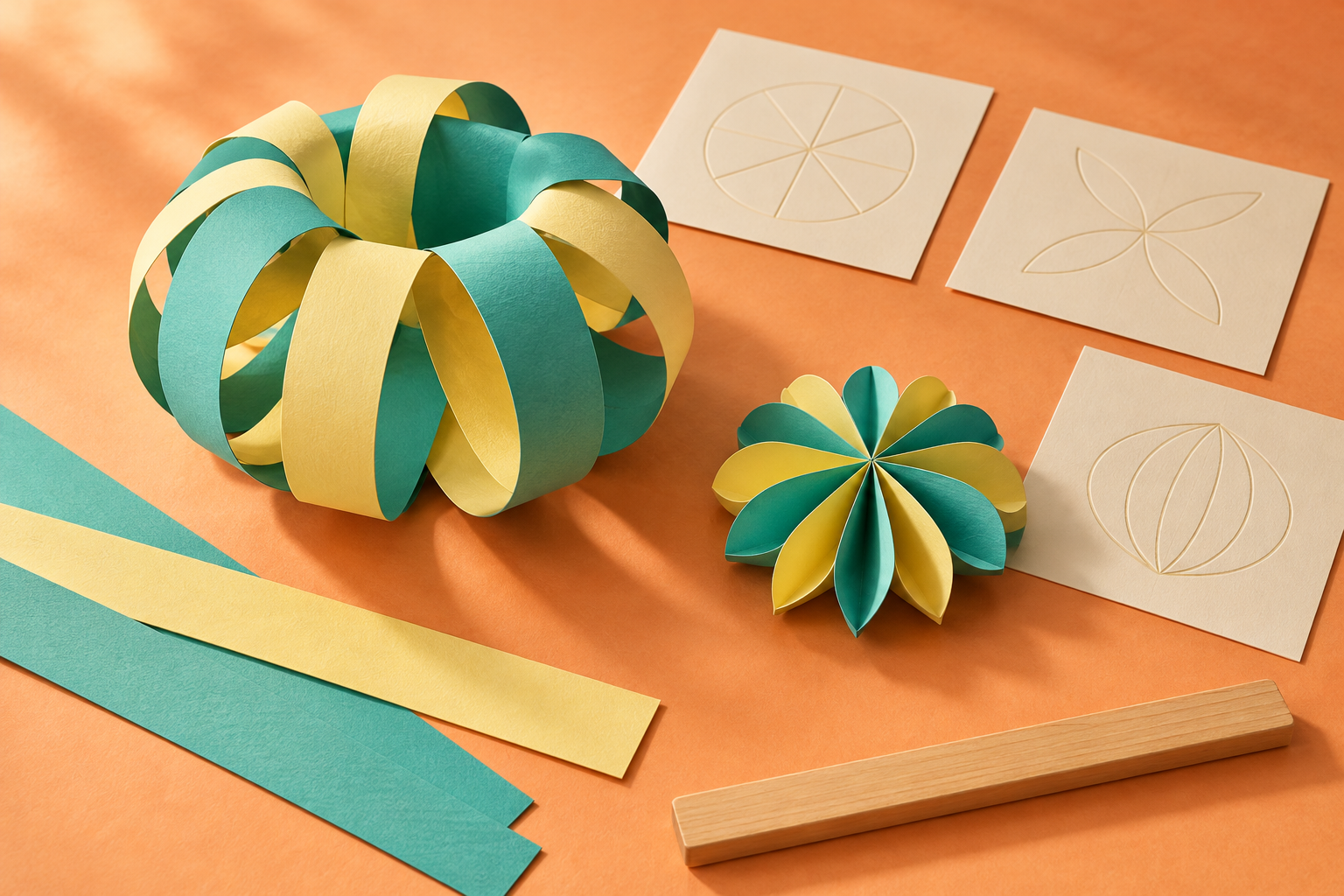
A craft workshop preparation service should turn a proposed activity into a session the host can deliver and participants can follow. Make a sample, break the process into observable steps, test the materials and prepare accessible instructions. Agree the host's responsibilities and what happens when someone needs a different way to participate before presenting the plan as ready.
This is a planning guide, not an event Fovza has hosted. We haven't tested a participant group, supplied a venue or measured ticket sales or income. The paper-craft exercise below is invented. Activities involving specialist equipment, substances, children or other requirements need a suitably qualified organizer and their own appropriate procedures.
Choose the output before buying the materials
Define what a participant should be able to make or try during the session. “An introduction to crafts” doesn't tell you which materials, demonstration or starting skills are necessary. A simple paper construction gives you a more specific planning problem than a general promise of creativity.
Make the proposed object yourself before writing the participant pack. Record the steps that need explanation, the pieces that are easy to confuse and the places where the result depends on drying, preparation or a particular technique. Don't estimate a group's needs from a finished photograph alone.
Agree what the host will demonstrate and what you are supplying. Preparing materials and instructions is a different role from teaching a session, providing supervision or managing a venue. If the assignment expands, revise the scope before accepting those responsibilities.
The tutoring lesson plan guide offers a related way to define an assessable learning task. A group craft pack also needs a practical plan for distributing materials and keeping participants oriented while the host is helping someone else.
Give participants usable material before the session
W3C WAI's accessible-events guidance recommends accessible materials in advance and formats participants can adapt to their needs. It also discusses headings and alternatives for images. A slide shown on a screen is not the only useful way to provide instructions.
Source: W3C WAI: making events accessible. Read 2026-10-26. This planning reference doesn't certify a venue, activity or participant pack as accessible.
Ask the organizer how participants can communicate relevant access needs through an appropriate private route. Prepare the available instruction formats early enough for those needs to affect the plan. Avoid promising an accommodation before the host has confirmed it can be provided.
Write the pack around actions the participant can identify. Keep the step, its expected result and a way to check progress close together. If the activity depends on distinguishing materials, label them in a way that doesn't rely only on color.
Provide a route back into the activity after someone loses their place. A clear checkpoint sample or a written instruction can reduce the need to remember a fleeting demonstration. Ask the host how they will explain that checkpoint rather than assuming the diagram is self-explanatory.
Test the pack with a fictional paper project
For this invented planning exercise, the proposed output is a small folded paper rosette. The pack contains prepared paper strips, a sequence of instructions and a sample. It isn't a tested product kit or a complete tutorial for making the object.
During a private preparation trial, imagine that two strips look similar but belong at different stages. Revise the labels and the instruction that introduces them. Don't solve the problem only by telling the host to remind everyone; the pack will still be confusing when the host is occupied.
Next, suppose a step requires holding a partly assembled piece while aligning another. Record that requirement and ask the host what supported alternatives are appropriate. A smaller task, a prepared stage or a different method may fit the session better, but those choices need a real trial rather than an assumption about a participant's abilities.
Finally, imagine that the sample is finished but the written sequence omits the last joining step. Walk through the instructions from the participant's starting point and correct the gap. A successful finished sample doesn't prove that someone else can follow the pack.
Keep a preparation note identifying what was actually tried and what remains untested. For a real assignment, report the limits of that trial; don't turn a solo practice run into a claim that a group completed the activity.
Explain the meaning of an instructional diagram
W3C's complex-images tutorial describes a short text identification paired with a longer description of essential visual information when a complex image needs more explanation. The point is to make the information available, rather than relying on a brief image label to carry every detail.
Source: W3C WAI: complex images. Read 2026-10-26. Apply the principle to the actual information in your materials and review the result with the organizer.
For a craft step, describe what the diagram asks the participant to do and how the relevant pieces relate. “Assembly diagram” identifies an image but may leave the instruction missing. Keep the useful explanation in text participants can find alongside the picture.
Check that the diagram, written instruction and host demonstration describe the same stage. If a revised method changes the order, update all of them. Don't keep an attractive older diagram that now contradicts the process.
The video caption preparation guide covers another part of accessible instruction when the pack includes recorded material. A captioned clip still needs to be checked against the actual activity and the intended version.
Hand the host a workable session pack
Prepare the accepted sample reference, the material list, the participant instructions and the unresolved decisions. Identify which items the host supplies and which are included in your preparation service. Keep substitutions visible; a material change can affect how an instruction works.
Ask the host to rehearse the transition between demonstrating and helping participants. Where will unfinished work be placed? How will someone ask for help? Which checkpoint tells the host that the group can move on? These are planning questions for the actual session, not outcomes this guide has tested.
If attendance arrangements are in scope, the meeting coordination guide helps distinguish a proposal, an invitation and a reply. Avoid treating a list of names as proof that materials, access needs and host responsibilities are ready.
Define what accepting the preparation means
The host can accept the supplied pack while the event itself remains a future activity. Record the agreed version, the preparation checks and any decisions the organizer still owns. Don't imply that approving a document establishes participant satisfaction or a successful event.
Account for trial materials, preparation time and revisions when estimating the service. If the activity changes after approval, inspect which parts of the pack need another trial. A repeat event can still require new preparation when the method, group or setting changes.
Start with a small activity you can demonstrate honestly and a clear list of untested assumptions. The useful offer is a checkable preparation process, without a promise of bookings, earnings or results you haven't observed.