
An Equipment Rental Condition Record for Handoffs and Returns
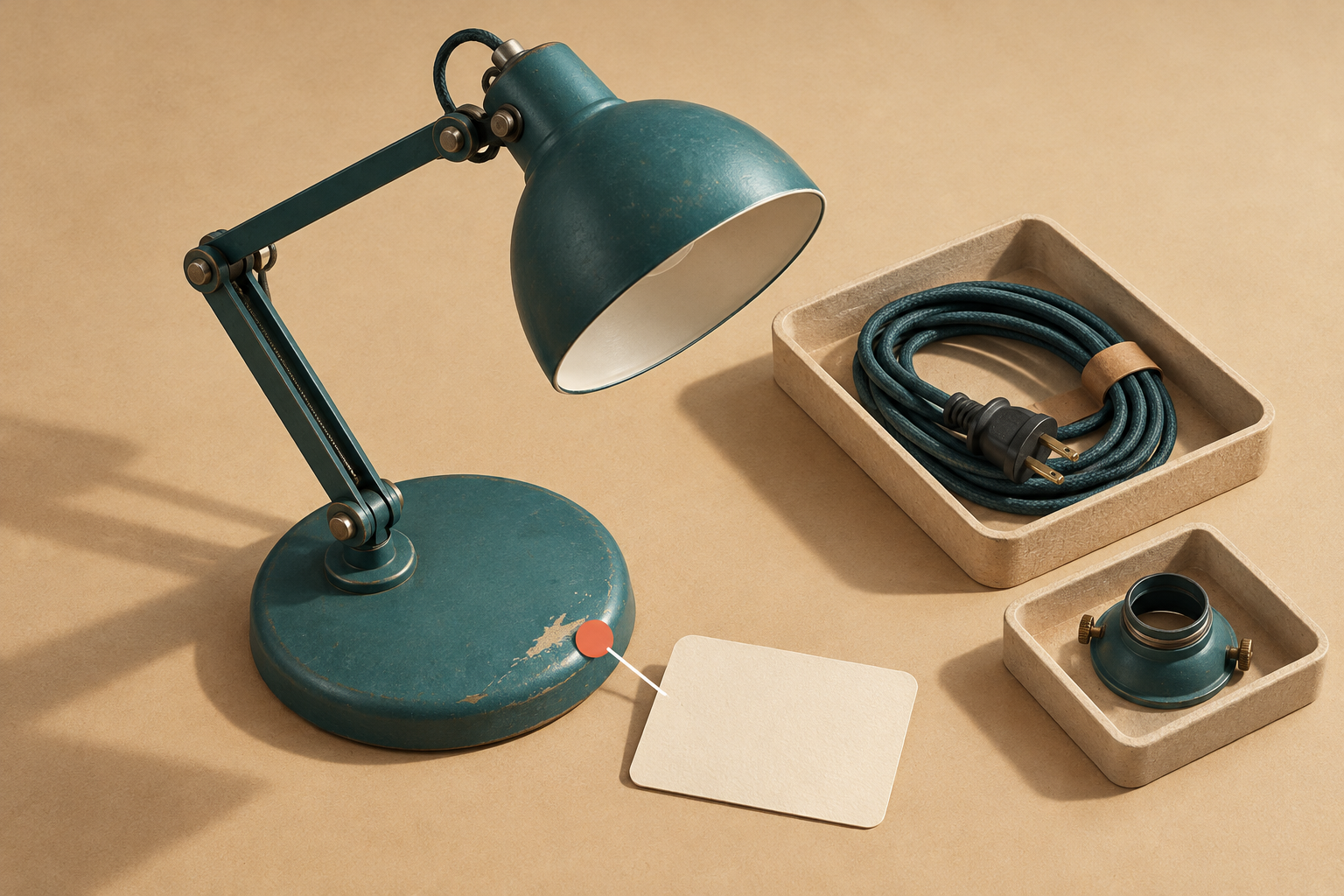
When an item is rented out and later returned, both sides need a shared description of the item and its accessories. A condition record makes the handoff easier to discuss; it does not determine fault, replace a rental agreement, or prove what happened while an item was away.
Side Hustle Nation discusses renting out extra belongings as a possible business model. This guide focuses on one practical handoff within that broader idea and uses a fictional example rather than an actual rental.
Identify the item and its included parts
Use a short item name and an internal identifier that the owner can recognize. List included accessories individually: for example, a fictional desk lamp, its detachable cable, and a carrying case. If a serial number is needed for the agreement, store it in a private record rather than displaying it publicly.
Record the agreed handoff and return dates, the agreed collection method, and the person responsible for checking the item. A condition checklist should point to the relevant agreement, not invent replacement charges or terms after the fact.
Describe the starting condition
Before the handoff, note observable marks and missing accessories in neutral language. “Small scratch on the base” is more useful than “poor condition.” If photographs are taken with permission, include the date and describe what each image shows; avoid capturing personal documents, addresses, or other unnecessary details in the background.
If a function is checked, state exactly what was checked and the result. “Light turned on at handoff” is narrower than “electrically safe.” Do not run tests that require training or equipment you do not have. If the parties cannot agree on a starting condition, mark it unresolved and pause the handoff until they decide how to proceed.
Use the same fields at return
At return, compare the item and listed accessories with the original record. Enter the observation date and describe any difference without assuming its cause. A missing cable, for example, can be recorded as “not present at return; follow-up requested,” with a separate field for the response.
If an item appears damaged or unsafe, avoid further use and follow the agreement and appropriate professional guidance. Ask for clarification where photographs or descriptions conflict. A response, a proposed resolution, and an agreed resolution are different states; keep each one visible.
A compact example
For the fictional lamp, a row might contain: item ID L-01; lamp, cable, and case included; scratch on base recorded at handoff; light switched on at handoff; return check pending. On return, add a new dated row rather than editing the original observation away.
Keep the record accessible to the parties who need it and limit retention and sharing according to the agreement and applicable requirements. For another way to document item movements, see the consignment intake guide. Clear records support a conversation; they cannot guarantee a dispute-free rental.