
Write an Errand Pickup Sheet That Survives a Change of Plan
An errand pickup sheet should tell the person collecting something what has been authorised, how to recognise the intended collection and what to do when the supplied instructions no longer fit. Put the collection decision beside the item, keep unresolved substitutions visible and record the handover separately from the request. A checked box should have a clear meaning.
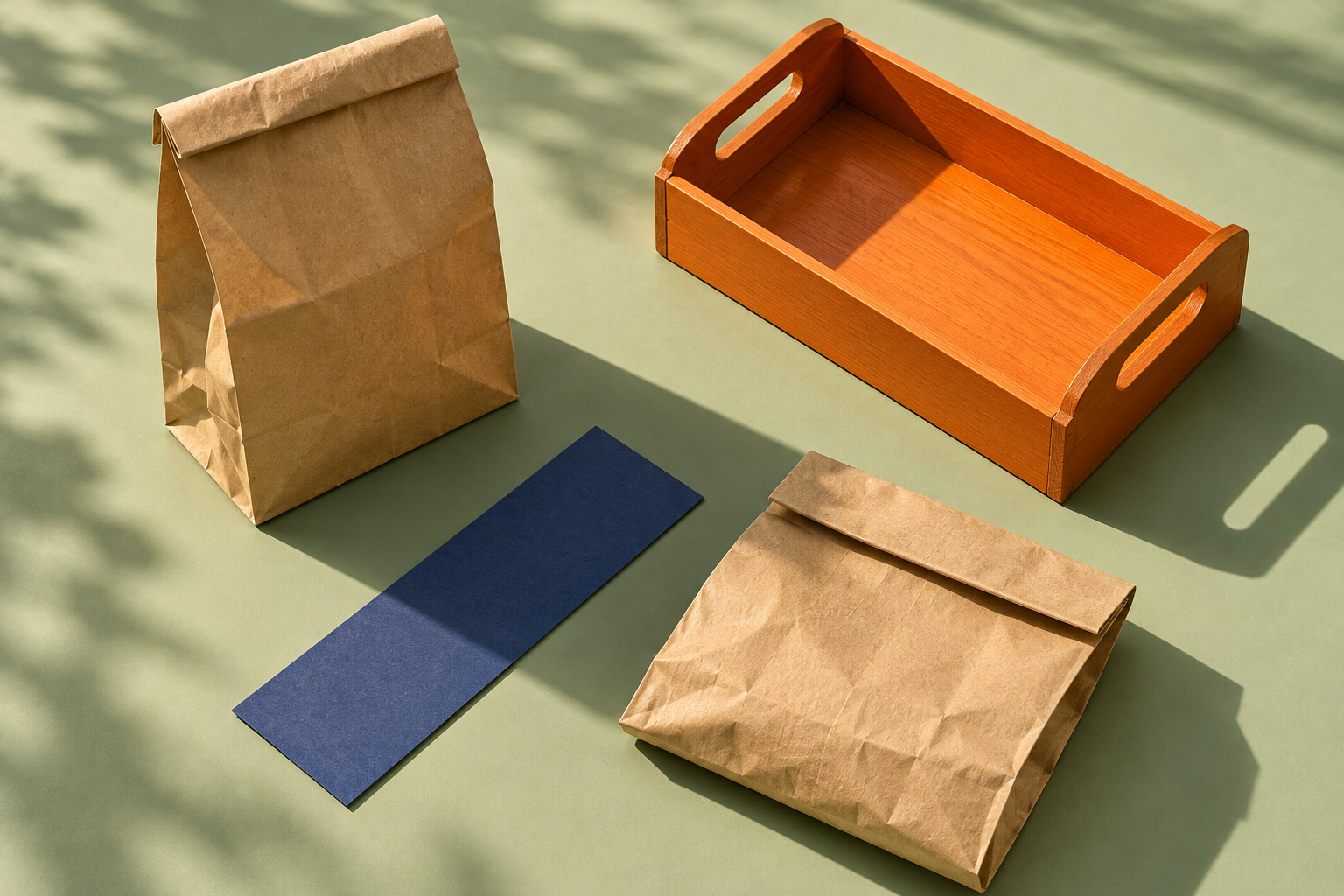
The example here is an invented request to collect printed invitations and an empty display stand for a community display. No shop, customer, order, payment or collection has been tested. The sample fields are a proposed working method, not a claim that any business accepts collection by another person.
Start with the two handovers
There is a handover from the requester to the collector, then another from the collector to the intended recipient. Write down what must cross each boundary. In the example, the requester supplies a description of the invitation batch and the stand, while the recipient needs to know which things were actually obtained and which remain outstanding.
Do not treat an order acknowledgement as proof that an item is ready. Ask the requester to confirm the current collection arrangements with the relevant business. If those arrangements are missing, mark that collection as unresolved rather than filling the gap with a familiar shop routine.
Keep this sheet narrower than an ongoing assistant assignment. The virtual assistant handover guide deals with continuing work and responsibilities. This record concerns a particular requested collection, the decisions it depends on and the final handover. It does not provide an account login or authority to change someone else's order.
Give each collection its own decision row
Use one row per separately identifiable collection. A useful row contains the requested item, the identifying description supplied by the requester, the expected collection point, the source of that information and the decision to take if the item does not match. Keep the person's private contact details in the agreed restricted channel rather than duplicating them in every shared copy.
For the invented invitation batch, a draft row might read:
Invitations. Request: collect the batch described in the requester's order record. Recognition: compare the package description with the supplied order information. If the description differs: pause this collection and ask the requester. Do not approve a reprint or substitute another batch.
The stand needs a different row. Its distinguishing details, collection arrangement and return expectations may be different from the invitations. Combining both as “collect display materials” hides which request has been completed and makes a partial handover harder to explain.
Avoid putting a collection code, identity document image or payment detail in the ordinary sheet. A note can say that a separate owner-approved access step is required without reproducing the sensitive value. The collector should not interpret a visible reference number as permission to present themselves as the account holder.
Review changed instructions beside the affected item
Google Docs suggestions let a reviewer propose an edit for acceptance or rejection. That mechanism is useful when reviewing a draft pickup instruction: put the proposed correction against the relevant wording instead of sending an unexplained replacement sheet. Accepting an edit in a document does not prove that the shop has accepted a changed arrangement.
For example, the requester may propose a different collection point for the stand. The draft should show which row changes and which information still needs confirmation. Do not silently move both collections to the new place just because they appear on the same sheet.
Agree who can authorise a change before the task starts. A collector can report a mismatch without being authorised to choose an alternative. Record the requested decision plainly: “May I collect the differently described stand?” is more useful than “There is a problem.” Keep an unanswered question open rather than translating silence into consent.
Plan a sensible pause, not an improvised substitute
Walk through the inconvenient cases while the sheet is still a draft. What if only one item is available? What if the collection point cannot identify the request? What if the proposed recipient is absent? Each case needs an agreed next contact or a pause condition, not a prediction that the errand will work out.
Separate collecting an existing order from making a new purchase. An instruction to collect invitations does not establish a spending limit, authority to order replacements or permission to accept a different product. Leave those decisions with the requester unless the actual assignment clearly includes them. This article supplies no real spending authority.
Avoid inventing a delivery time. If timing matters, the requester should supply and confirm the relevant constraints. The draft can expose a conflict between two collections, but it cannot promise travel times, opening hours or queue lengths that have not been checked. A tidy route on paper is still a proposal.
Identify the copy the collector is using
Google Docs version history provides a way to inspect earlier versions and identify changes. Use an identifiable issue copy for the pickup sheet so a later correction can be compared with the instructions the collector received. A document version is not evidence of an actual collection or a legal proof of handover.
If a change arrives after the collector has the sheet, communicate the affected row and ask for acknowledgement through the agreed channel. Merely editing a shared document does not establish that the person carrying out the errand has seen it. Preserve the distinction between “updated,” “received” and “acted on.”
Keep obsolete instructions recognisable as obsolete. Do not delete a disputed instruction merely to make the record look consistent. The project change log guide offers a broader way to connect a requested change with its decision and observed result.
Close with what was actually handed over
At the final handover, record what was obtained, what was not obtained, any visible mismatch and which unanswered decisions remain. Use an observation rather than an inference: “one package handed to the nominated recipient” describes a proposed record field; “all contents correct” would require an actual authorised check of those contents.
For the fictional example, a partial result could leave the stand row open while the invitation row records its separate handover. Do not mark the entire request complete because one collection succeeded. Record an attempted collection separately from receiving an item.
The order packing handover guide covers preparing goods for fulfilment. This pickup sheet approaches the other end of the exchange: someone must recognise the authorised request, handle an unresolved difference and tell the recipient what really arrived. Before using a real sheet, have its requester read the change and partial-collection cases. If they cannot tell who decides the next step, the draft still needs work.