Prepare a Laundry Care-Label Enquiry Before Items Are Accepted
A laundry care-label enquiry should connect each item with the care information actually available and the question a responsible provider needs to answer. Keep that enquiry separate from accepting an order or deciding how to treat a garment. A complete-looking item list cannot supply a missing instruction from a manufacturer.
The example here is an invented handover involving a teal shirt and a cream cushion cover. No garments, labels, stains, machines or laundry providers have been inspected or tested. The proposed enquiry is a communication aid, not a washing, drying, ironing, stain-removal or professional-cleaning procedure. It demonstrates no real cleaning or customer outcome.
Identify each item and its unreadable information
Start with an identifier the owner and receiving person can both recognise. Use the owner's supplied description and an agreed reference image when one is available. Do not describe an item as silk, linen or another fibre simply because its appearance suggests that material. An unconfirmed fabric description creates a second uncertainty beside the original care question.
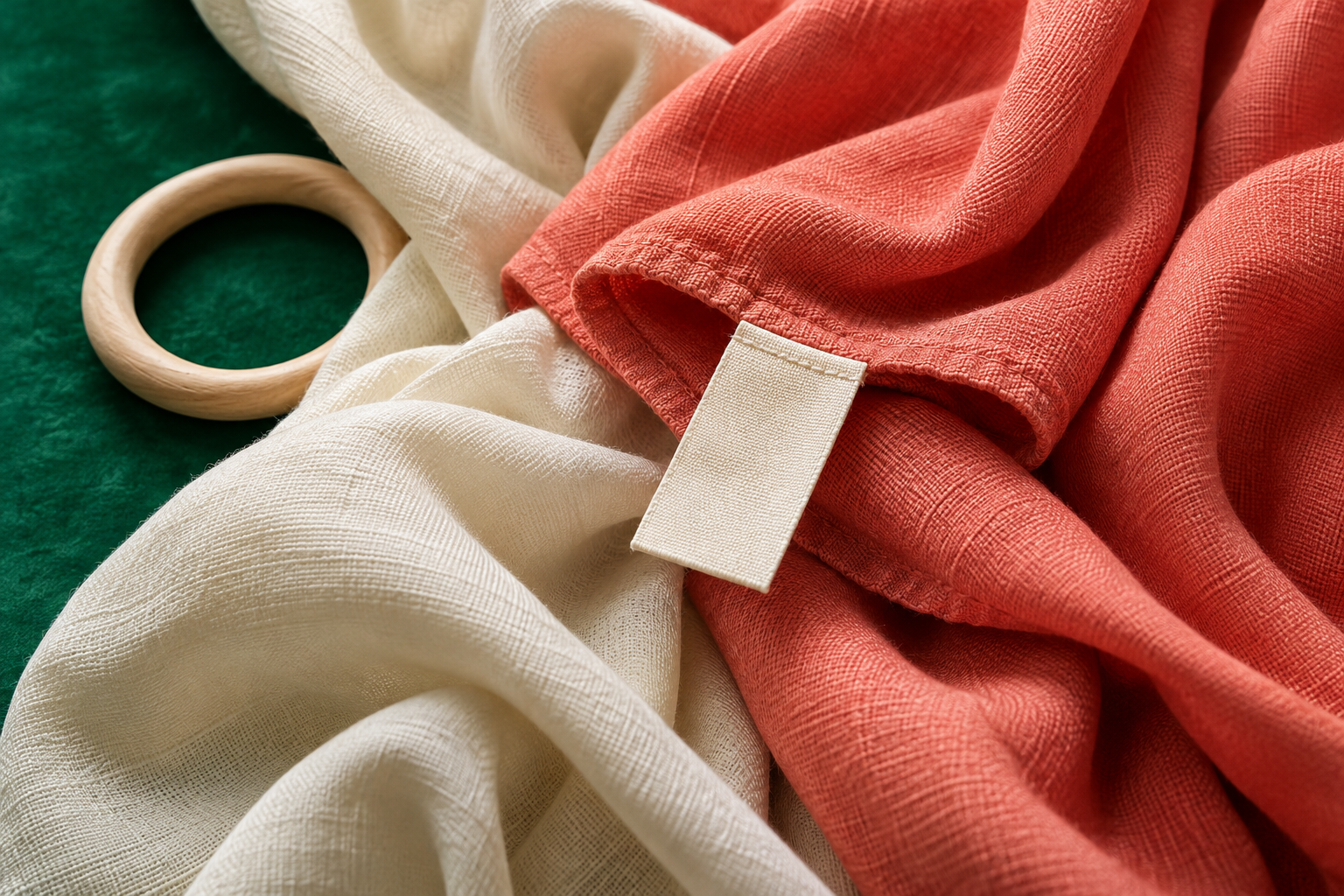
For the fictional shirt, the draft can say “teal shirt, item A” and identify the particular image the owner supplied. For the cover, it can say “cream cushion cover, item B.” These are invented drafting examples. They are not a count of items actually handed over or a record of any person's possessions.
Give the missing information its own field. A label might be absent from the supplied image, partly obscured or too unclear to read. Those situations need different next questions. “No readable label in the supplied photograph” does not establish that the physical item has no label. Ask for the appropriate information without changing the description into a physical finding.
Keep reference images focused on the item and its relevant label. There is no reason to duplicate unrelated possessions, personal paperwork, an address or access details in an ordinary enquiry copy. Use the owner's agreed private channel for information that actually needs restricted handling.
Read the care label before inferring from the fabric
GINETEX's care-symbol guidance treats washing, drying, ironing and professional care as distinct information. Its ironing guidance specifically bases the maximum temperature on the care label rather than fibre content. The useful boundary for this enquiry is to seek the item's actual instructions instead of deriving a treatment from an assumed material.
This article does not reproduce care symbols or choose a temperature, cycle, detergent or cleaning process. A general explanation of a symbol system is not a finding about the fictional shirt. If a label image is unclear, preserve that uncertainty and ask the responsible provider what additional information they need before deciding whether to accept the item.
Do not convert an owner's preference into a manufacturer instruction. “I would like this ready for an event” describes a requested outcome. It does not establish which treatment the item can tolerate. Keep the preference visible as a request while the care question remains unanswered.
The proposed note for item A could read:
Supplied information: the owner has provided a shirt photograph, but its label is not legible in that copy. Question: which further label or product information is needed before acceptance can be considered? Treatment decision: not made in this enquiry.
Separate a care question from a service request
An enquiry can ask whether a provider is able to assess an item without saying that the provider has accepted it. Give the response a separate place beside the question. Do not fill it with an assumed answer, a standard turnaround time or a price taken from a different service.
For the invented cover, the owner might supply a readable instruction later while still needing to ask whether the proposed service is available. Resolving the label question would not itself confirm a booking. Conversely, a general description of a provider's services would not resolve a missing instruction for this particular item.
Write down who needs to make each decision. The owner supplies the request and available item information; the responsible provider determines what they can assess or accept in the real assignment. The draft cannot grant either person authority they do not actually have. Leave the decision pending until the appropriate response exists.
The item disposition guide also separates an owner's intention from a provider's acceptance. Its task concerns what should happen to objects in a space. Here the unresolved dependency is the care information attached to an individual textile item, which needs its own question and response.
Keep the corrected item description identifiable
Google Docs version history can identify earlier document versions and named stages. An identifiable enquiry copy helps a reader distinguish the original unclear image reference from a corrected description. Document history does not certify a label's accuracy or prove that the receiving provider saw a revision.
If the owner supplies a clearer image, keep its identity attached to item A. Do not silently replace an attachment under an ambiguous filename and assume every reader is using the replacement. The enquiry should make clear which supplied reference supports the current wording.
A correction can be small but meaningful. Changing “label absent” to “label not visible in the supplied image” removes an unsupported physical claim. Preserve the reason for that correction without pretending it supplies a treatment decision. The new wording can be more accurate while the enquiry remains unresolved.
Reconcile counts without filling a gap by guesswork
Keep item identity, an owner's stated quantity and a quantity actually checked at a handover distinguishable. If the fictional cover belongs to a set, ask how the pieces are identified rather than deciding that a reference to one set means a particular number of pieces. The proposed example supplies no real count or collection event.
At an authorised real handover, record what the responsible people actually checked and which item identifiers were involved. A plan to include two items is different from a confirmed receipt of those items. Avoid extending an enquiry list into proof of collection, treatment or return.
The packing handover guide deals with preparation for fulfilment. This enquiry stops earlier: it keeps the item-specific care question visible before acceptance. A neat bag label or a reconciled count cannot answer whether a provider has enough information to consider the request.
Close the enquiry with an explicit next owner
Finish the review copy with the outstanding question, who is expected to answer it and the particular item it concerns. If item A needs a clearer reference while item B needs a provider response, leave two separate pending entries. A single “ready” tick would conceal the difference.
When a response arrives in a real assignment, record what it actually says and any remaining qualification. Do not rewrite an information request as acceptance or a proposed collection as a completed handover. The fictional exercise demonstrates neither a cleaning decision nor a successful service.
The enquiry is useful when a receiving reader can find the item, identify the supplied care information and name the unresolved decision without guessing. If the reader needs to infer a symbol, a material or a provider promise to move forward, return to the missing information before turning the draft into a real order.