
Secondhand Stuffed Toys: Document Each Item Before Listing
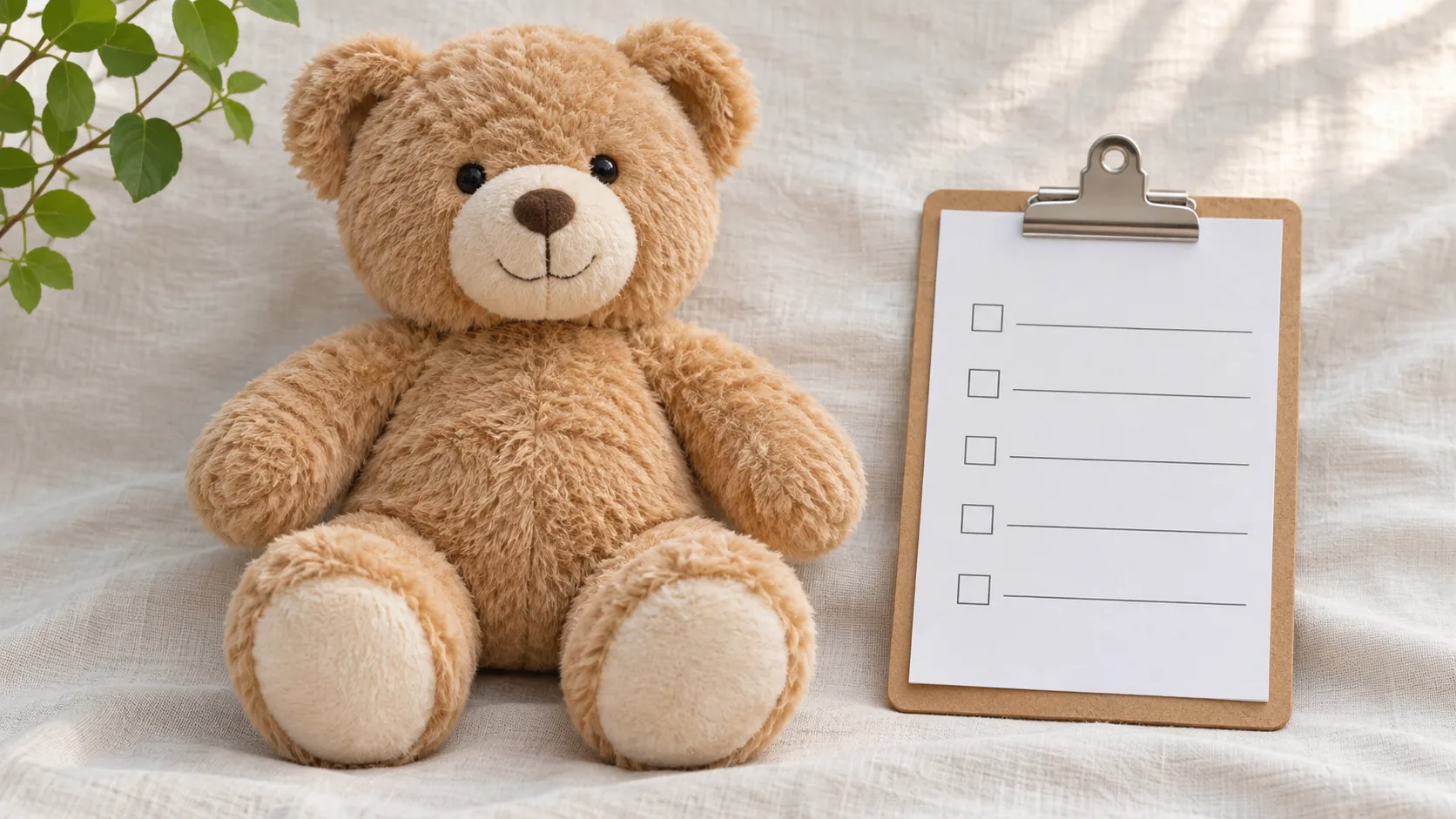
A secondhand stuffed toy is an individual item with its own condition, history, and possible safety issues. Before offering one for sale or donation, inspect it carefully, record what you know, and check the rules that apply to your location and sales channel. Side Hustle Nation profiles a business that re-homes donated stuffed toys; its story does not prove that another item is safe, suitable, or profitable.
Establish what you have permission to offer
Confirm that the person providing the toy has authority to give it away or sell it. Record any restrictions on its use, but do not include the previous owner’s name, address, or private story in a public listing without permission. A sentimental account can be omitted if its accuracy or consent is uncertain.
Give each item a simple internal identifier. Record its approximate dimensions, visible labels, materials where stated, accessories, and observable wear. If the brand, age, or material cannot be verified, say so rather than guessing. A photograph should show the actual item and any relevant marks, missing pieces, or repairs.
Check condition and safety separately
Look for damaged seams, loose parts, exposed filling, sharp objects, odors, contamination, and any other condition that makes the item unsuitable. Do not describe a toy as safe for a particular age, allergy-free, sterilized, or compliant merely because it looks clean. If an item appears unsafe, contaminated, or beyond your ability to assess, set it aside and seek appropriate guidance rather than passing it to a child.
Check current recalls and applicable product-safety obligations with the relevant authority for your market. Requirements can vary by jurisdiction, item, and whether you are selling or donating. Keep uncertainty visible; this article is not a certification or a substitute for specialist advice.
Avoid inventing a cleaning procedure
Read any remaining care label and assess whether the toy can tolerate the stated treatment. If care instructions are missing or the item has electrical parts, delicate material, or contamination you cannot assess, consult an appropriate specialist or decline the item. Do not claim that a household wash guarantees safety or removes every contaminant.
For a fictional listing, a seller receives a bear with a repaired seam and an unreadable material label. The seller records the repair, photographs it, and marks the material as unknown. The example does not establish that this particular bear can be sold or donated.
Hand over an honest listing
Before publishing, compare the title, photographs, condition notes, and included accessories with the item itself. Explain the price, delivery or collection process, and any applicable return terms. If new information changes the description, update it before accepting an order. The used board-game guide covers a different item but uses the same principle: list what is actually present.