
Private Yard Visits for Dogs: What to Clarify Before a Booking
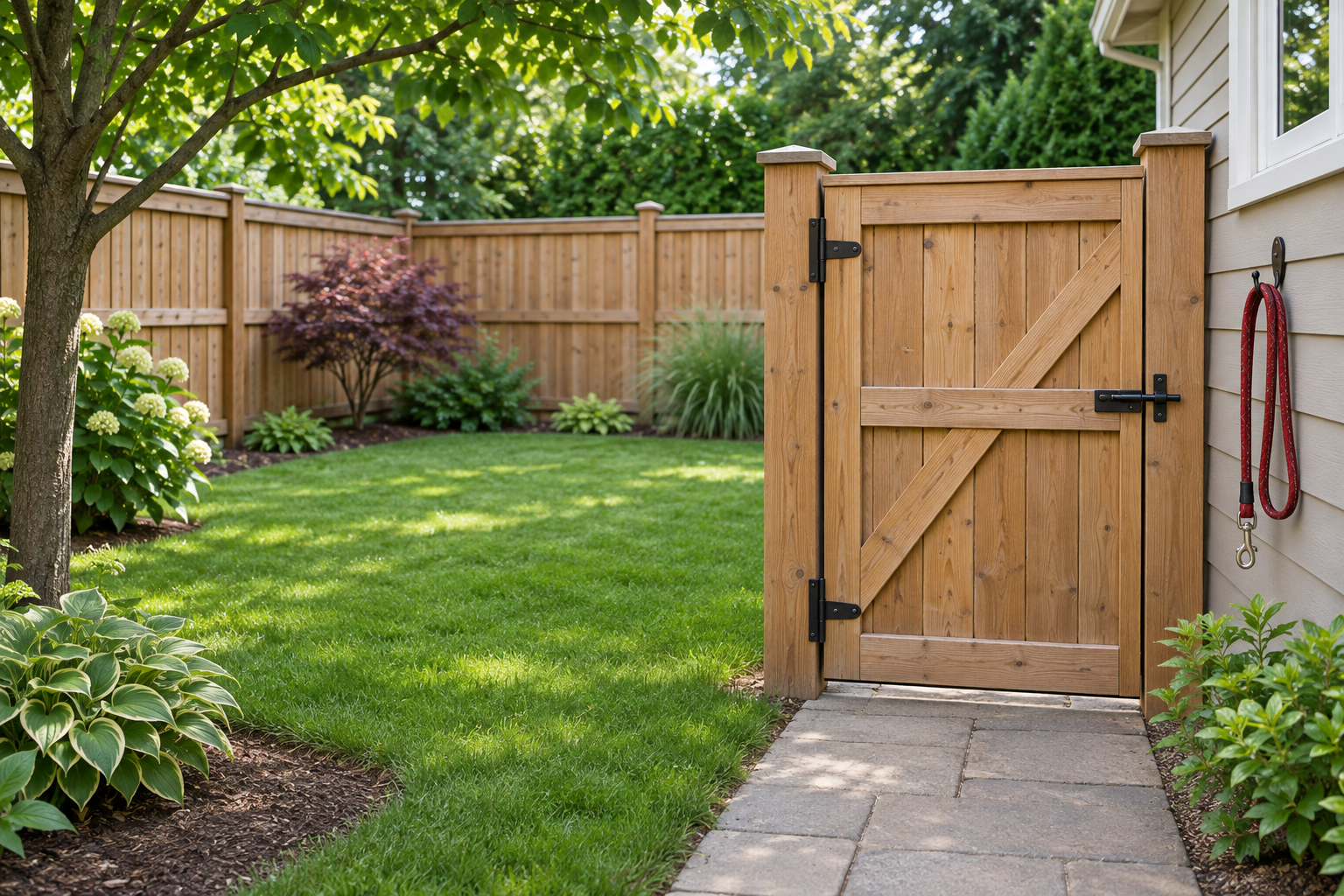
Before offering a private yard for a dog visit, establish who can authorize the use of the property, what area is included and who is responsible for the dog during the visit. Agree on access and timing before confirming a booking. A listing or photograph does not prove that a particular yard is safe for every dog.
Confirm that you can offer the space
Check who owns or controls the property and whether the proposed visits are permitted under any lease, community rules, insurance terms or local requirements that apply. If the space is shared, discuss the proposal with the people whose permission is needed. A platform listing cannot replace those checks.
Side Hustle Nation describes an individual who lets dog owners book a backyard. That account identifies a service idea; it does not establish current platform availability, insurance coverage or likely income for another property.
Describe the actual space and access
Explain the boundaries of the area included, the entrance visitors should use and whether another animal or person may be present nearby. Describe features accurately and disclose known limitations. A photo showing a fence or gate is not proof that it will contain a particular dog; avoid describing the space as escape-proof or universally safe.
A fictional property owner might offer a rear yard for one appointment at a time while keeping a shed off-limits. Those boundaries should be agreed before the visitor arrives. This example is not an inspection of a real property.
Agree on the visit responsibilities
Clarify the length of the visit, how access is granted, how the visitor can contact the owner and what happens if the schedule changes. Discuss who supervises the dog, how other people or animals are kept separate, and who handles any cleanup. A yard visit is different from dog boarding or training; do not imply those services are included if they are not offered.
Ask visitors to raise specific access or safety concerns in advance. If the property, the requested use or the operator's competence cannot support the visit, decline or seek appropriate professional advice. Rules and animal needs differ, so this article cannot certify a site or an animal's suitability.
Plan the household handover for a Sniffspot booking
If you list through Sniffspot, include the gap between visits in your availability plan. Its booking guidance says the platform allows one booking at a time and enforces a 30-minute buffer between bookings. Block out family use in your calendar, too. When planning access, identify who will check that the previous visitors have left before the household uses the yard again.
Sniffspot's Host Standards require the reserved space to be free of other dogs, domestic animals and people apart from those brought by the guest. They also require disclosure when animals or people outside the space may be seen or heard from inside it. Describe that surrounding activity in the listing. A separate enclosure does not make a visible or audible animal disappear. Do not plan to meet guest dogs unless explicitly arranged with the guest beforehand.
For households with dogs, Sniffspot's resident-dog guidance recommends moving your dogs indoors or elsewhere 15–30 minutes before a visit. It also recommends checking the yard or parking area before letting your dogs out, and suggests a reminder sign on a house door leading into the space. Tell everyone at home when visits are scheduled and who is handling those checks. These are practical handover steps to discuss before opening the calendar.
Record the agreement and follow-up
State the fee or quotation process, cancellation terms and the agreed area. After a visit, communicate any condition that needs attention without asserting a cause you have not established. Protect visitor information and obtain permission before sharing photographs.
The pet-sitting guide concerns caring for an animal. Offering a property for a supervised visit involves a separate set of access and responsibility questions.