
How to Track an Online Course Lesson Revision
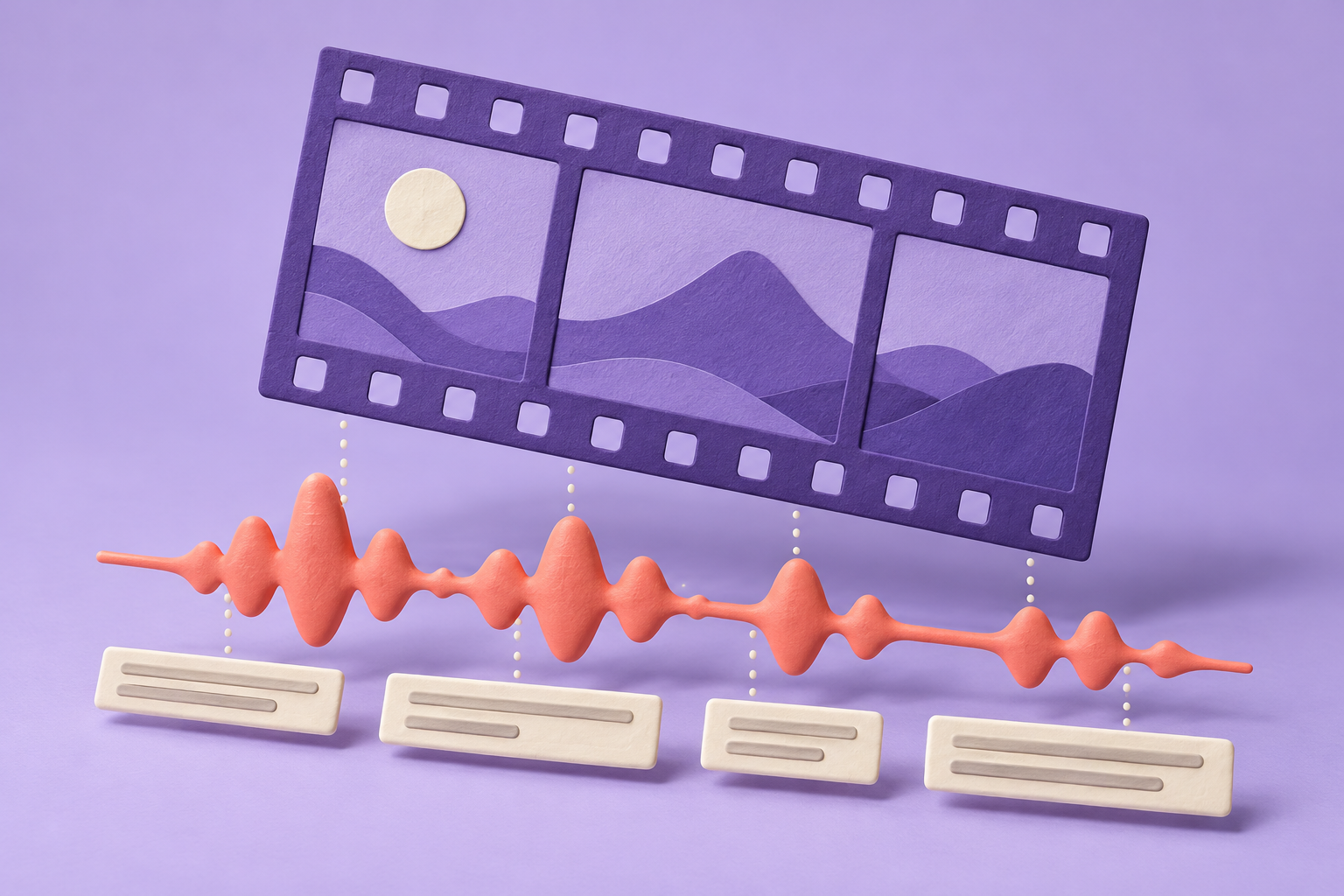
A course lesson can change in several places at once: the video, transcript, worksheet, and links may each have a different revision. A lesson revision record helps an instructor identify what learners can access and what still needs review.
Side Hustle Nation discusses online courses as a way to share expertise. Use the revision record below to track a changed lesson and its supporting materials.
Identify the lesson and the reason for change
Give the lesson a stable title or ID and record its location within the course. State the reason for a proposed revision: for example, a link no longer works, an explanation needs clarification, or an instructor wants to replace an example. Mark whether the issue is reported, confirmed, or still uncertain.
Identify who may edit and who may approve the lesson. If a third party supplies course materials, check the agreed permissions before replacing or sharing files. Keep login credentials and private learner information out of the revision record.
List the affected materials
Make a row for each affected item: video file, captions, transcript, slides, worksheet, and lesson description where applicable. Record the current version, the proposed version, and the person responsible. A change in one asset does not automatically mean that related assets have been updated.
For an illustrative example, a lesson video changes from version 2 to version 3 after a spoken correction. The transcript and captions remain marked “review required” until someone checks them against the new audio. A worksheet may remain unchanged if the reviewer confirms that the correction does not affect it.
Review the lesson as a learner would
Check the changed explanation in context, confirm that links point to the intended destination, and make sure the relevant supporting material refers to the right lesson. If captions or transcripts are supplied, compare affected portions with the audio and correct meaningful differences. The caption delivery guide covers a related handoff.
Record the limits of the review. A preview in one browser does not establish that a course works in every device, platform, or assistive technology. Ask the actual platform for its current instructions when a feature or upload rule is unclear.
Record who can open the review video
If the review copy is hosted on YouTube, record its visibility alongside its version. YouTube says anyone with an unlisted video link can watch it and share that link; viewers do not need a Google Account. An unlisted link is unsuitable when access must be limited to named reviewers.
YouTube's private sharing option lets the owner invite specific email addresses. Private videos do not support comments, so agree on a separate feedback record when using that setting. Keep the approved reviewers and feedback location in the lesson record. Check access with an intended reviewer before recording the review copy as available.
Source: YouTube's video privacy guidance, checked November 16, 2026. These visibility rules apply to YouTube; use the actual course platform's instructions for its learner permissions.
Record the release and follow-up
Keep proposed, approved, uploaded, and visible to learners as separate states. Note the date and the person who verified the visible version. If an upload or preview is inconclusive, leave the status unresolved and inspect the platform before repeating the action.
Retain a recoverable copy of the prior files under the project's retention policy. If learners need a notice, agree on its wording and delivery before sending it. Use the record to identify the changed files, the remaining checks and the person responsible for the next step.