
Knife Sharpening Service: Agree on Intake and Return
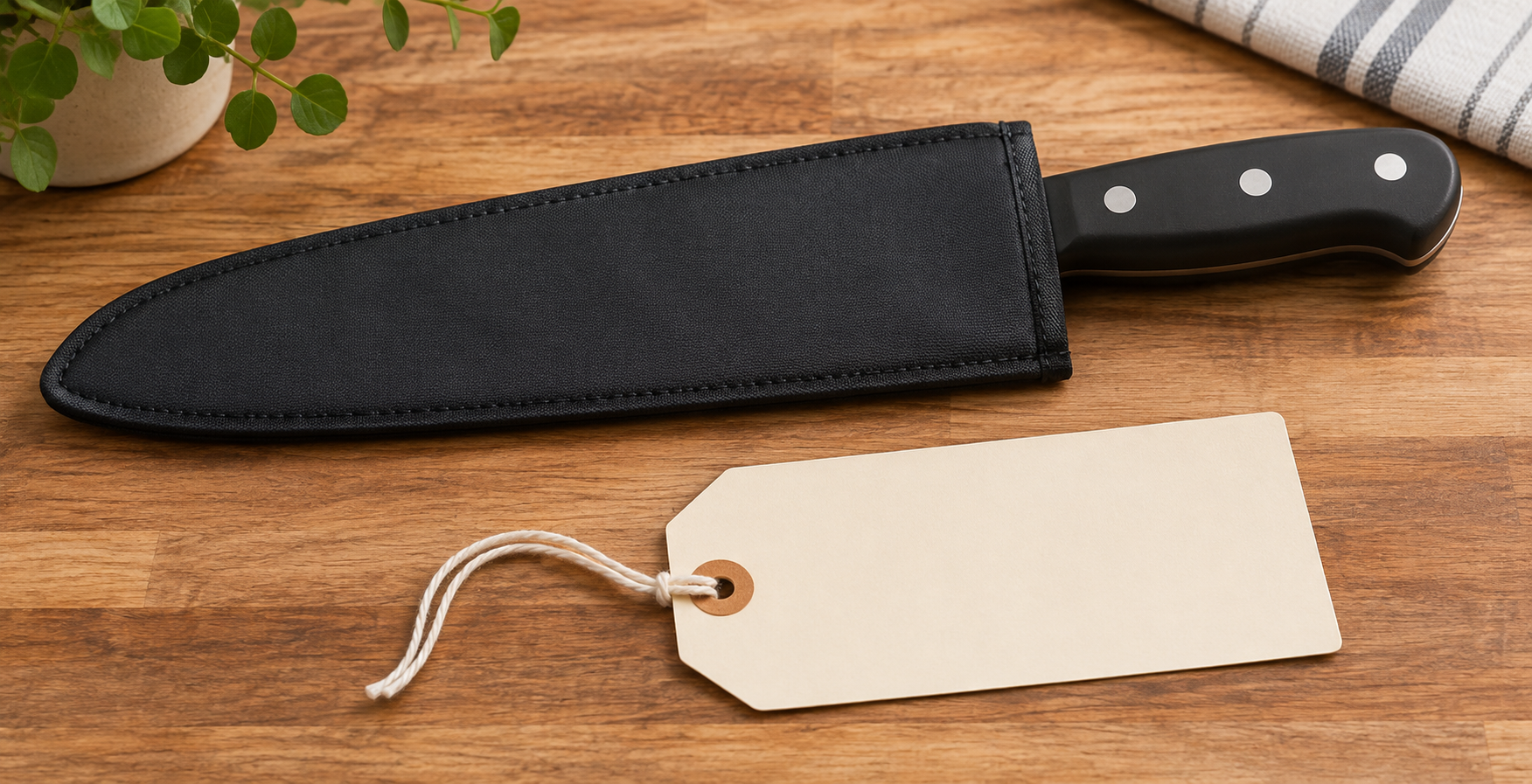
Before accepting an item for knife sharpening, identify what the customer is offering, what service they expect and how the item will be transferred and returned. Record the agreed scope and any visible concern. An intake conversation is not a diagnosis of an edge or a guarantee that an item can be restored.
Identify the item and the request
Ask the customer what kind of item they want serviced, how many items are involved and whether they have noticed damage or a particular concern. Explain which categories your service is competent and equipped to handle. If an item is outside that scope, decline it or refer the customer to an appropriate provider.
Side Hustle Nation describes an individual knife-sharpening business. That example identifies a service idea; its reported fees and business results do not establish a typical price or outcome for anyone else.
Agree on a handover method
Discuss the collection or drop-off location, the time and who will receive the items. Ask the customer how items will be identified and agree on packaging appropriate to the actual item and the receiving provider's instructions. Check any applicable transport and venue requirements before arranging the handover.
This article does not provide sharpening procedures or certify that a particular package is safe. If safe handling cannot be established or the handover conditions are unsuitable, pause and consult a qualified provider. Do not accept an item simply because a booking has been requested.
Record what was received
With the owner's agreement, note the item, quantity and any visible existing damage. A fictional customer might bring a kitchen knife and report a damaged handle; the intake note can record that observation without claiming to know its cause. This is a planning example, not a real inspection or completed service.
Explain whether the initial visit is an assessment or includes agreed work. Discuss how the quote will be provided and ask for approval before adding services, replacing parts or changing the price. If an issue is discovered later, contact the customer rather than assuming permission to proceed.
Return the item clearly
Agree on the return time, location and the method for identifying the owner. At handover, describe the work actually done and identify anything left unresolved. Do not claim a result was tested, that an item is safe for every use or that damage was repaired unless those statements are supported.
The local service flyer guide concerns describing an offer; this guide focuses on the intake and return of a specific item.