
Houseplant Content: Check the Plant and Source Before Publishing
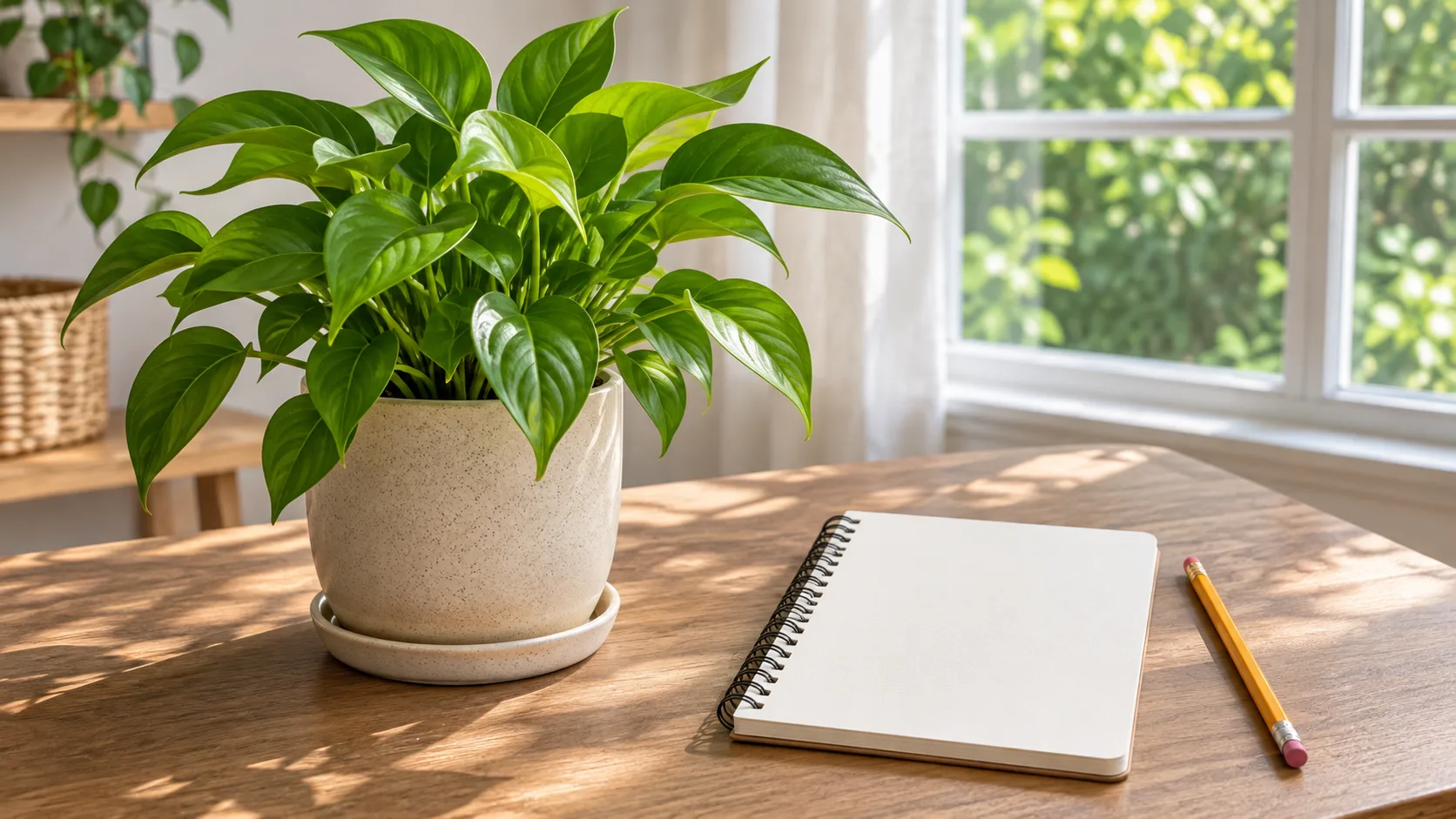
A useful houseplant article should identify the plant it discusses, explain what its advice is based on, and make uncertainty visible. Before preparing a care guide, check the name, the context of the source, and whether the writer can support the specific recommendation. Indexed text from Side Hustle Nation describes a houseplant blogger. The full page was not independently opened for this guide; the example does not establish that another site will gain traffic or income.
Confirm the subject
Record the plant name used by the source, including the scientific name where it can be verified, and note any uncertainty or competing names. A common name can refer to different plants. If identification depends on a photograph, say that the identification remains provisional rather than treating it as a diagnosis.
Define the reader’s question narrowly. An article explaining how to read a plant label has a different purpose from advice about a specific species in a particular climate. Avoid combining those tasks into a universal care schedule.
Choose sources that fit the claim
For each substantive care claim, keep the source URL or publication details, the date checked, and the conditions to which the guidance applies. Prefer appropriate horticultural institutions, extension services, or primary guidance for the plant and region when available. A retailer listing or another blog can suggest a question to investigate but should not automatically establish a universal rule.
Do not invent watering intervals, treatment amounts, toxicity statements, or a diagnosis from a generic image. Conditions vary with the plant, container, environment, and other factors. Where a claim cannot be verified, omit it or label it as an open question for a qualified source.
For a fictional draft, the writer finds two guides using the same common name for different plants. The draft pauses before recommending care and records both names for identification review. This is an example of source handling, not a statement about a real plant.
Review visuals and permissions
Use a photograph or illustration you have rights to use, and make clear whether it depicts the species discussed. Do not present an AI-generated generic plant image as proof of a real specimen, disease, or result. Obtain permission before using a customer’s photographs or story; avoid including private addresses or other identifying details.
If a reader raises a concern about plant toxicity or a possible exposure, direct them to an appropriate local professional or authority rather than offering an unverified conclusion. Do not recommend treatment for people or animals from an ordinary plant article.
Publish with a review path
Include the source date, scope, and any limits that matter to the reader. Assign an owner to review broken links or changed guidance, and record corrections when they are made. The local newsletter source-check guide covers a related verification process; this guide focuses on identifying a plant and matching advice to its context.