
Home Cleaning Service: Agree on the Visit and Handover
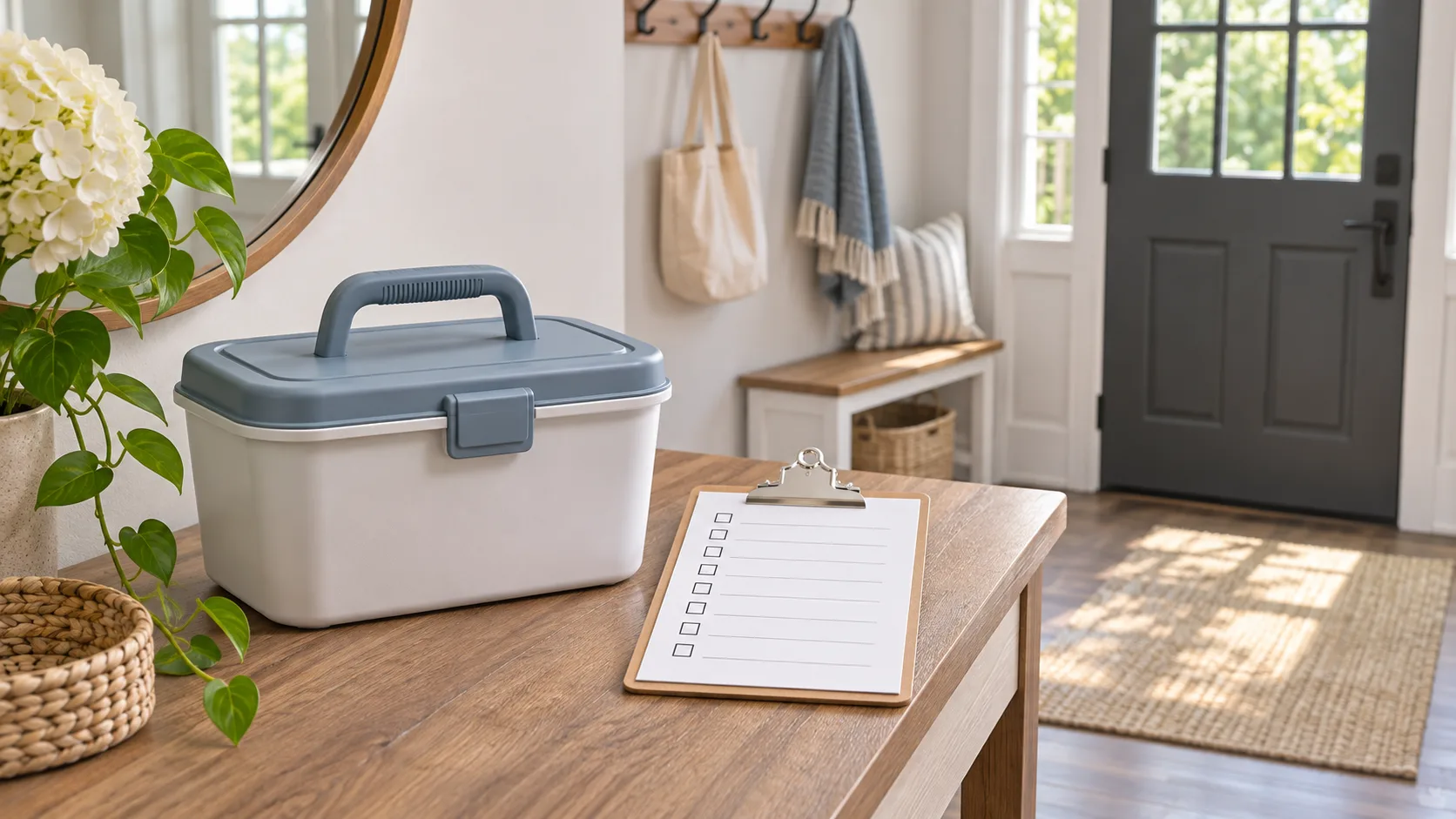
A home cleaning visit starts with agreement on the rooms, tasks, access, and limits. The customer and provider should know what is included, who will be present, and how concerns will be communicated before anyone enters the property. Side Hustle Nation profiles a residential cleaning business; that case does not establish typical fees or guarantee a similar result.
Walk through the requested work
Identify the rooms and surfaces to be cleaned, areas that are out of scope, and any fragile items or surfaces needing special care. Ask the customer about pets, access constraints, and products or equipment they want the provider to use or avoid. Do not assume that a standard visit includes laundry, dishes, moving heavy furniture, or removing items from the property.
Record the requested frequency, expected visit window, and how the provider will report a delay. A photograph may help clarify the work, but it is not a substitute for the customer’s description or permission to enter the home.
Agree on products and boundaries
Ask who supplies equipment and cleaning products. Follow the product label and applicable safety guidance; do not mix products or promise a treatment for an unknown surface. If there is suspected hazardous material, contamination, pest activity, or damage outside the provider’s competence, pause and refer the customer to an appropriate specialist.
Discuss what happens if a surface appears unsuitable for the requested method. The provider should not make an unapproved repair or dispose of possessions simply because they appear unwanted. Agree on the fee or quotation process, cancellation terms, and any conditions that could require a revised quote.
Plan access and privacy
Confirm the address privately, the arrival contact, entry arrangements, and whether the customer or another person will be present. If keys or access codes are needed, agree on secure handling and return; do not put codes in a shared checklist. Obtain permission before taking photographs, and limit what is recorded to the agreed purpose.
For a fictional visit, a customer requests the kitchen and bathroom but excludes a locked study. The cleaner is asked not to use a particular product on a stone counter and contacts the customer if its material is uncertain. This example does not certify a product or describe an actual home.
Close the visit
Record the tasks completed, any areas not serviced, and issues observed without assigning blame for damage whose cause is unknown. Tell the customer about an unresolved concern through the agreed channel and return any entrusted access items. For a more specific surface treatment, see the carpet cleaning appointment guide; its scope differs from general home cleaning.