
Choosing Content Channels as a New Creator
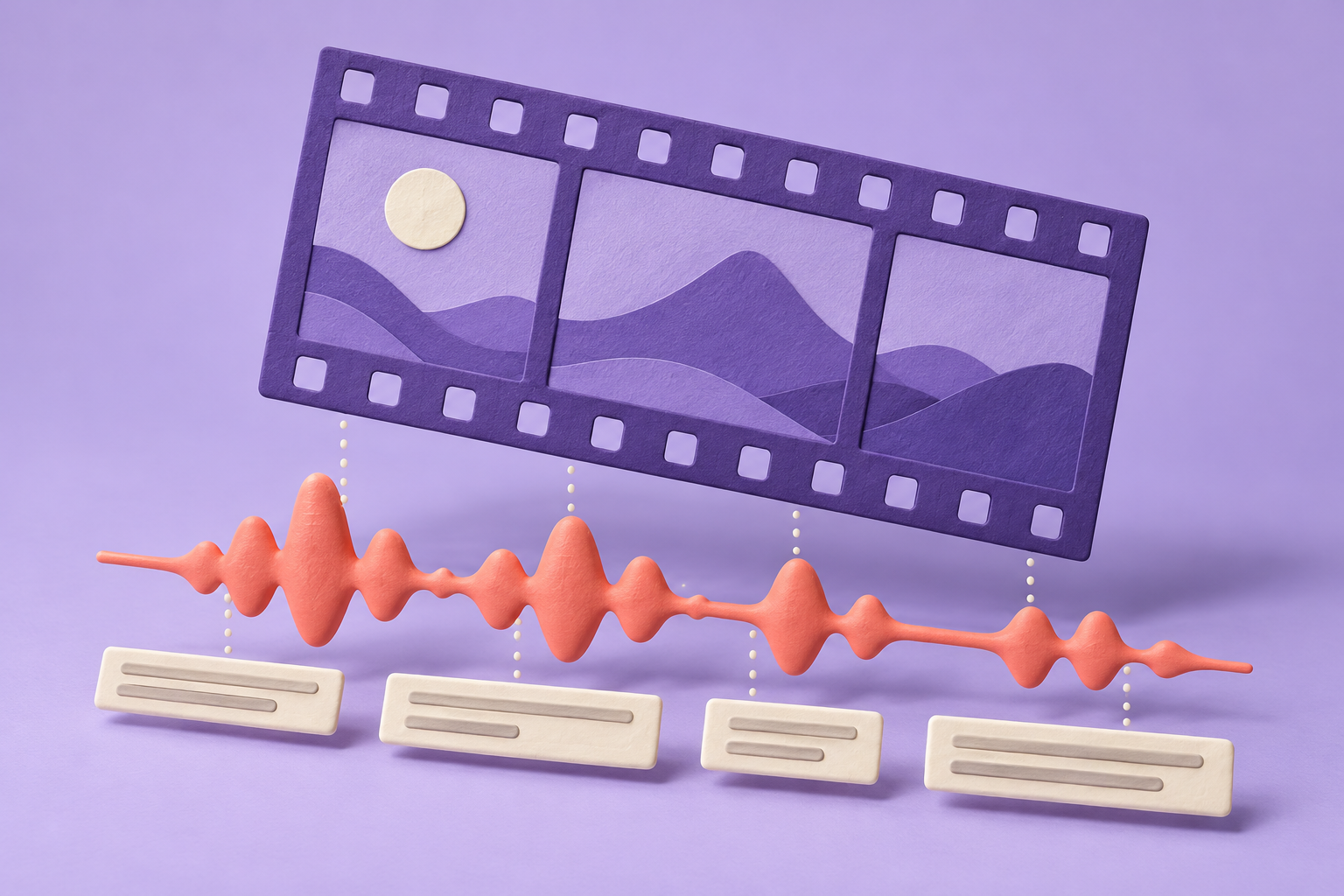
A new creator does not need to publish everywhere at once. Choose channels based on where the intended audience can use the material, the format you can produce consistently, and the control you need over the finished work. A channel's popularity alone does not prove it is right for your topic.
Side Hustle Nation discusses content creation for 3D printing and the idea of using a website alongside a social channel. This guide generalizes the decision process without claiming an audience, platform result, or income.
Start with the audience's task
A person looking for a searchable explanation may benefit from a written page with headings and links. Someone learning a visual procedure may prefer a demonstration, provided the creator can show it accurately and safely. A short social post can introduce an idea, but it may not have room for all the context a reader needs.
An imaginary creator explaining a design tool could publish a short overview and link to a written guide. If a step depends on a particular software version, identify that version and verify the instructions. Do not imply that a procedure has been tested on a device or version you have not used.
Compare control and maintenance
On a website you manage, consider hosting, updates, accessibility, backups, and the ability to correct a page. On a third-party platform, review its current rules, account controls, data practices, and how it handles edits or removal. Neither option guarantees distribution or ownership of an audience.
Choose a realistic publishing cadence. Include time for research, editing, captions or transcripts where relevant, responding to questions, and correcting outdated information. One well-maintained channel can be more useful than several abandoned ones if you cannot support the extra work.
Make the formats work together
A video, written guide, and short post can answer different parts of the same question. Adapt the explanation to the medium rather than copying a script into every place without context. Make sure links point to the intended page and that each item identifies any meaningful limitations or promotional relationship.
Use material you created or have permission to use. If you show a product, source a claim, or describe a test, distinguish observation from information provided by someone else. The product video guide covers that distinction in more detail.
Learn from evidence, not expectations
If analytics are available, note what each metric measures and compare meaningful periods. A view, click, subscriber, customer, and payment are different outcomes. For a new channel with little data, treat your choice as an experiment and describe the outcome as unknown until there is useful evidence.
Start with the channel you can maintain and a second only if it serves a clear purpose. Review the actual platform terms and audience needs as they change. No channel choice guarantees reach, engagement, or earnings.