
Chess Group Lessons: Prepare a Clear Session Brief
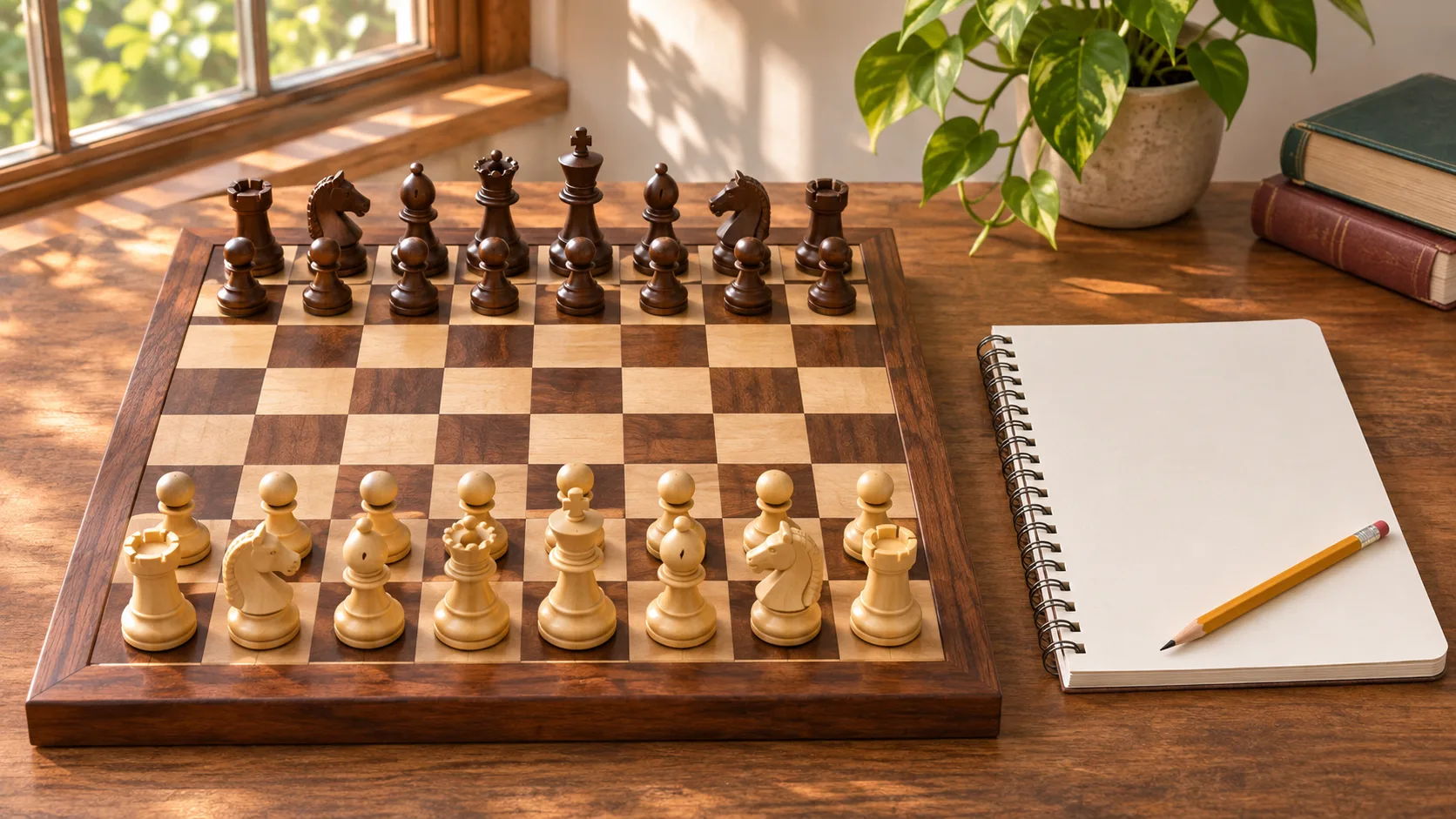
A chess group lesson needs a clear audience, a manageable objective, and a plan for how participants will practice. Before accepting a booking, agree on who the lesson is for, how it will run, and who handles supervision and communication. Side Hustle Nation’s indexed text describes a chess teaching business. Direct access to the article timed out during research, so its complete text was not independently checked.
Identify the group
Ask the organizer about the number of participants, ages where relevant, previous experience, and whether the lesson is in person or online. A group that is learning how pieces move needs a different starting point from players reviewing a completed game. Ask what equipment is available and whether participants need to bring anything.
Define one realistic goal for the session, such as practicing legal moves or discussing a basic checkmate pattern. Do not promise rating improvement or tournament results. If the group has mixed experience, plan an alternative activity or an appropriate way to pair participants.
Agree on supervision and access
For sessions involving children, clarify who is responsible for supervision, pickup, participant registration, and communication with parents or guardians. Follow the organizer’s safeguarding requirements and applicable local rules. Do not collect children’s personal information, photographs, or recordings unless necessary and appropriately authorized.
For online lessons, agree on the meeting method, who admits participants, and whether a recording is permitted. Explain what happens if a participant loses access or the instructor cannot connect. Avoid sharing meeting credentials in a public post when the session is intended to be private.
Prepare the activity and materials
Use a short sequence: introduce the objective, demonstrate a position, let participants try it, and review questions. Check the board position and instructions before the lesson; if a puzzle has more than one possible interpretation, acknowledge it. Provide an accessible alternative where practical and agree in advance if extra equipment or support is required.
For a fictional beginner group, an instructor prepares boards for pairs and demonstrates how a rook moves before inviting each pair to try a position. The organizer remains responsible for the agreed supervision. This is an invented planning example, not a tested curriculum or real class.
Close with a useful record
Confirm the location, time, fee or quote, cancellation terms, and what the organizer receives after the session. A follow-up might identify the topic practiced and a resource the instructor has permission to share. Do not publish participant names or images without the necessary permission.
The first tutoring enquiry guide covers a related individual request; a group chess session adds equipment, supervision, and mixed-level planning.