
Board Game Rental: Record the Pieces Before Handover
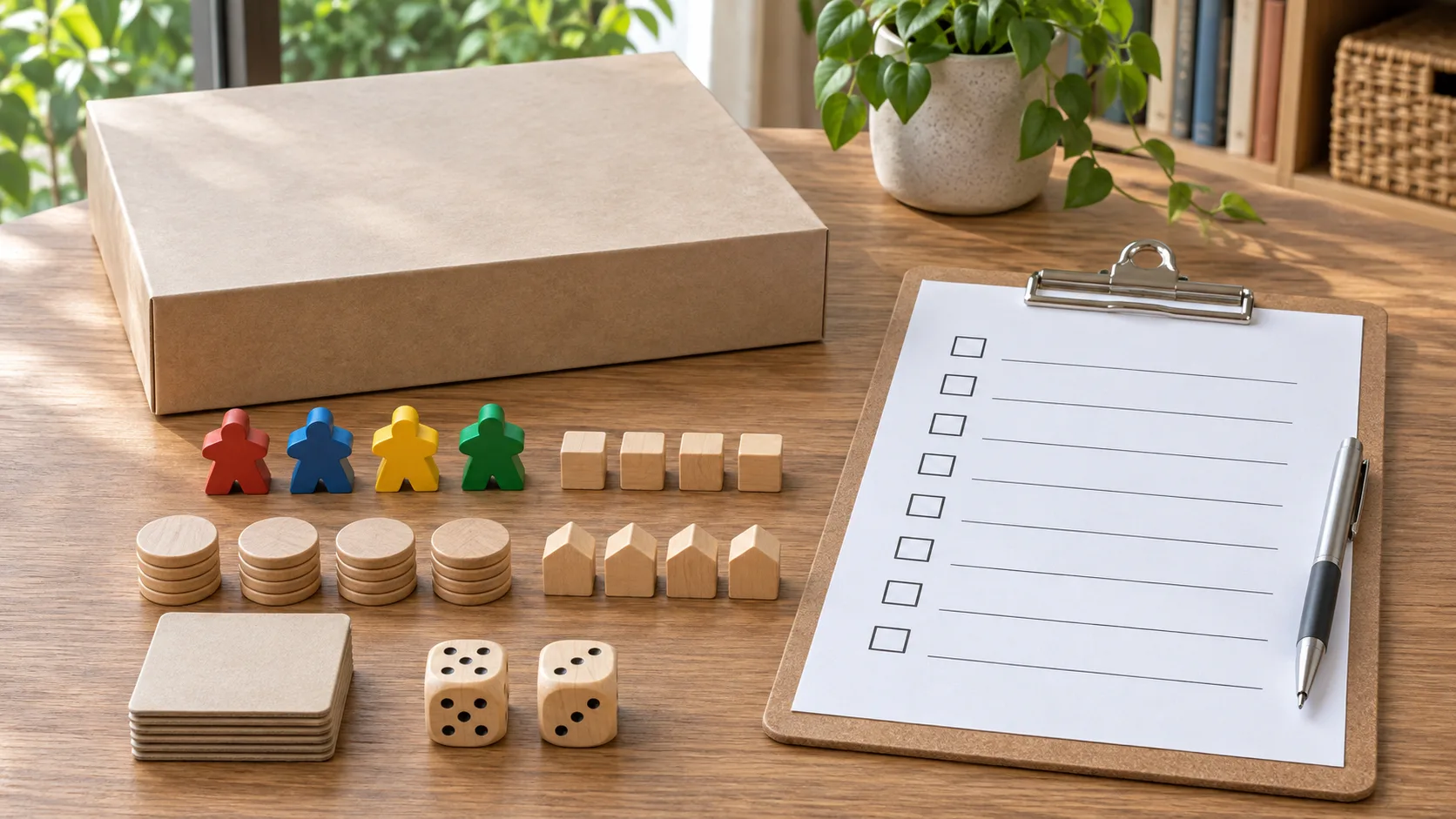
A board game rental needs an agreed borrowing period and a clear record of what goes out and comes back. Before handing over a game, identify the edition, included components, condition, and return process. Side Hustle Nation includes a listener’s board game rental example; that case does not establish demand, typical fees, or a standard rental agreement.
Identify the exact game
Record the title, publisher or edition if known, and any expansion or accessory included. Different editions can contain different components, so compare the contents with the instructions for that copy where available. If the original component list is missing or cannot be verified, tell the borrower which items you counted and what remains uncertain.
List major components individually: board sections, decks, dice, tokens, timers, and any other pieces that matter to play. A photograph can help identify an item but should not replace a count. Mark damaged cards, writing, missing instructions, or other existing wear before the rental begins.
Agree on borrowing and return
Record the collection or delivery method, start and return dates, fee, deposit if applicable, and the procedure for a late return or a missing piece. Explain which costs are included and who can authorize a change. If the game is intended for a group with young children, ask the borrower to follow the manufacturer’s age guidance and assess whether small pieces are appropriate; do not claim that the game is safe for a specific child.
For a fictional rental, a borrower receives a game with a board, two decks, four playing pieces, and one die. Both parties acknowledge that a score pad is not included. The list is a planning example, not a description of a real game or a manufacturer’s component list.
Compare the return with the same record
Use the original checklist when the game comes back. Count components before accepting another booking and note new damage or missing items. If there is a discrepancy, describe what was observed and ask the borrower rather than assuming who caused it. Follow the agreed terms and any applicable marketplace requirements.
Check the maker’s instructions before attempting to clean or repair components. Do not promise that a treatment is appropriate for every material or that a worn item can be restored. If a piece is unavailable for the next booking, disclose that before the next customer commits.
Keep records proportionate
Store the game identifier, handover dates, component checklist, and outstanding questions together. Limit personal details to what is needed for the rental and use an appropriate private channel. The used board game condition guide concerns a sale; a rental adds a return date and a second comparison of the same components.