3D Printing Service or Digital Design: What Is Different?
Selling access to a digital design and providing a 3D printing service involve different deliverables. In one arrangement a buyer may receive a file; in the other, a provider may produce a physical item. Before choosing an offer, clarify which work you can perform, what the customer expects, and what rights you have to the design.
Side Hustle Nation discusses both digital designs and printing services. This comparison is independent and does not claim that we sold files, printed customer orders, or earned income.
What does the customer receive?
A digital design offer should identify the file format, version, intended use, and any software or equipment needed to work with it. Explain what has actually been tested and what remains unknown. A file preview does not prove that every printer, material, or setting will produce a usable result.
A printing service should describe the agreed item, material, dimensions, and delivery arrangement. A physical print can vary from a digital model, and the parties should understand which measurements or features matter before work begins. Do not promise a safety-critical or engineered outcome without the appropriate expertise and verification.
Compare the work behind the offer
A design file may require design, documentation, customer support, and updates. A printing service may also require material selection, machine time, inspection, packing, and handling failed or unsuitable prints. Both can require clarification when a customer's request changes.
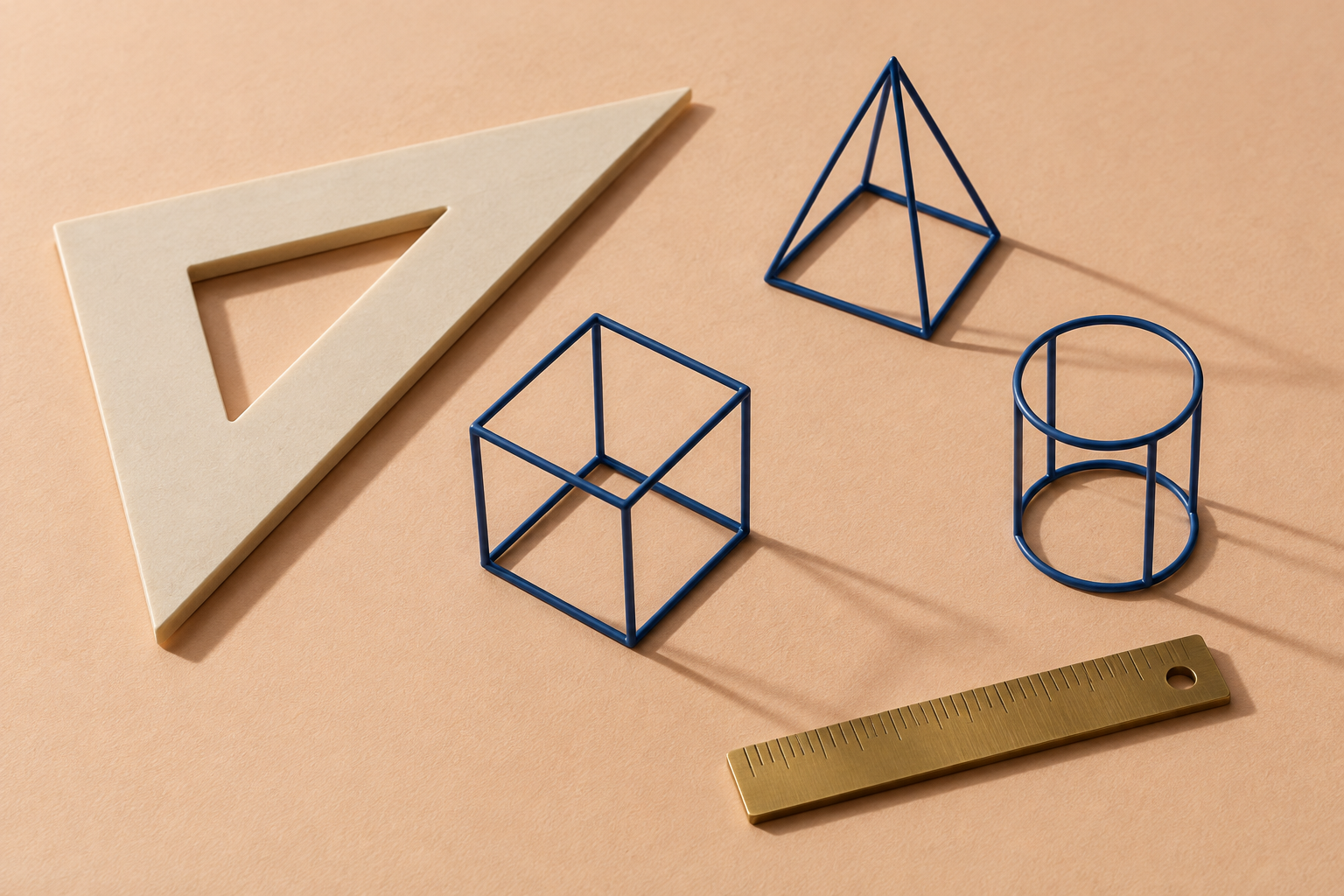
Consider a fictional customer who wants a decorative geometric shape. If they have their own equipment and want to choose their own material, a file may be relevant. If they want a finished object, they may prefer a printing service. Neither example establishes that a particular design or printer is suitable.
Check permissions and expectations
The creator's license, any third-party rights, and the terms of the marketplace or service all matter. A file available for download is not automatically licensed for commercial printing or redistribution. The 3D model rights guide explains which questions to ask before using another person's model.
Agree on what is included, how revisions are requested, and what happens if the file or physical item does not match the agreed description. Check current platform rules and applicable requirements for the intended product. Do not imply that a digital mockup is a photograph of a completed print.
Compare costs without inventing returns
Use your own actual costs and terms. A file may involve design software and support; a physical service can also involve materials, equipment wear, packaging, shipping, and time. Revenue, demand, and the number of revisions are uncertain, so a generic example cannot predict profit.
Choose the deliverable you can describe, produce, and support honestly. If the rights, technical requirements, or customer's expectations are unclear, resolve them before accepting an order.