
3D Printing a Prototype: Questions Before Accepting an Order
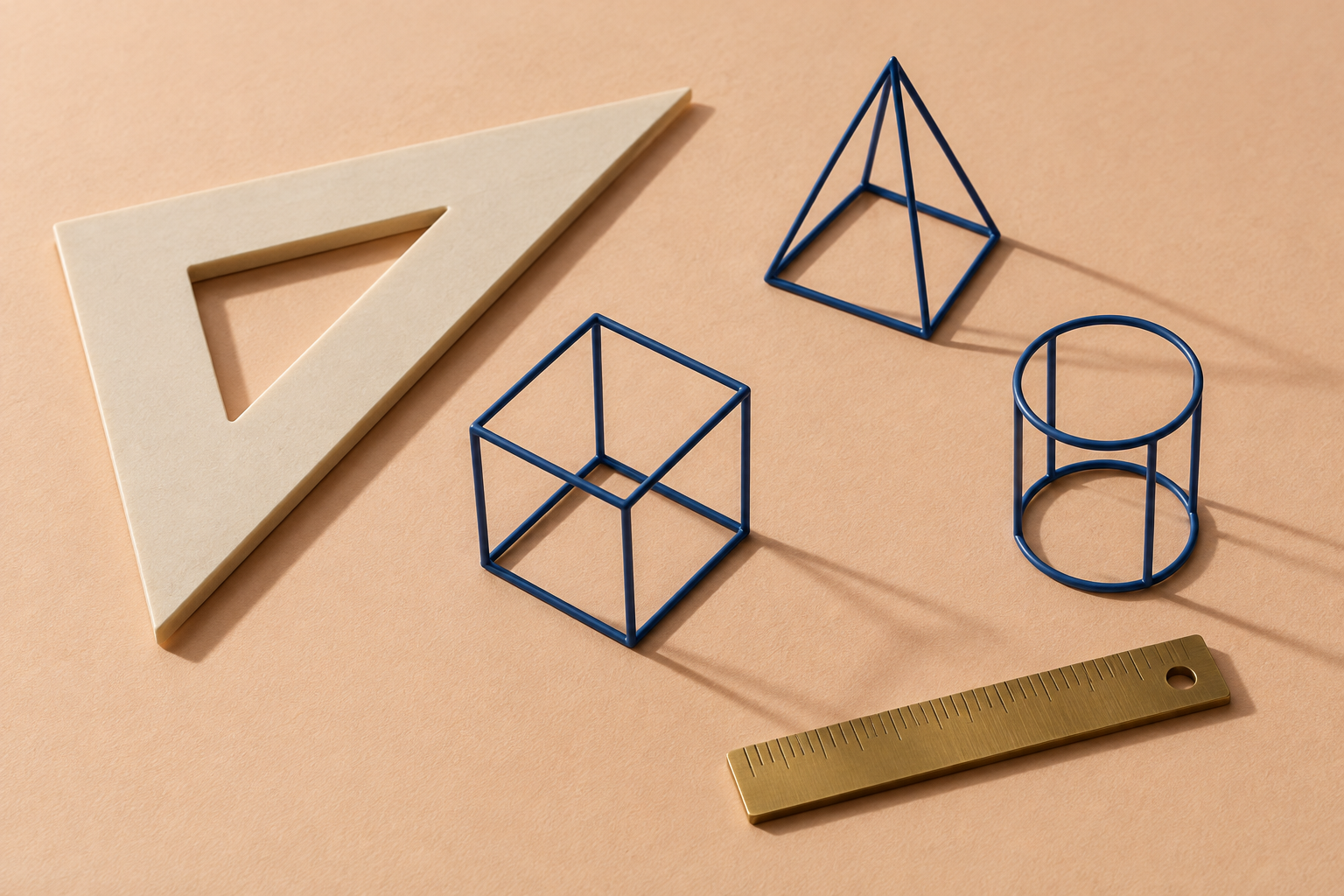
A 3D printing prototype request needs a clear purpose, a usable design and an agreement about what the finished piece will demonstrate. Before accepting the work, ask how the client intends to use the prototype and what review or revision is included. A printed sample is not automatically a production-ready or safety-tested product.
Ask what the prototype needs to show
Is the client checking appearance, approximate fit or a feature that moves? The answer changes what information you need and what limits to explain. A fictional client might want a display model to judge the shape of an enclosure; the same model should not be represented as proof that the enclosure will protect electrical equipment.
Side Hustle Nation discusses prototype work as one 3D printing service. Its individual business example does not establish a standard price, a likely income or the suitability of any particular printed part.
Review the design handoff
Ask which files are available, their intended dimensions and whether the client has permission to supply them for the proposed use. If the file needs changes, agree on who will make them and who approves the revision. The model use rights guide provides questions to ask; it does not replace legal advice.
A screenshot can show an idea but may not provide enough information to produce a usable model. If information is missing, list the questions before promising a delivery date or price. The CAD handoff guide covers the record to keep with a file.
Agree on a review point
State the proposed material and finish only after checking what you can actually provide. Explain visible print characteristics and any known limitations relevant to the request. Agree whether a sample, image or design preview will be reviewed before additional work, and whether changes after approval require a new quote.
Record the version approved, the dimensions and the agreed use. If a client needs a part for a safety-critical, medical, food-contact or other regulated application, do not claim suitability without the appropriate independent assessment and requirements. Declining a request outside your competence can be the clearest next step.
Define the handover
Write down the deliverable, expected timing, any delivery arrangements, and how the client should report a discrepancy. Separate design work from printing and clarify which files, if any, will be supplied. A prototype can answer a focused design question; it cannot by itself establish market demand, durability or compliance.